
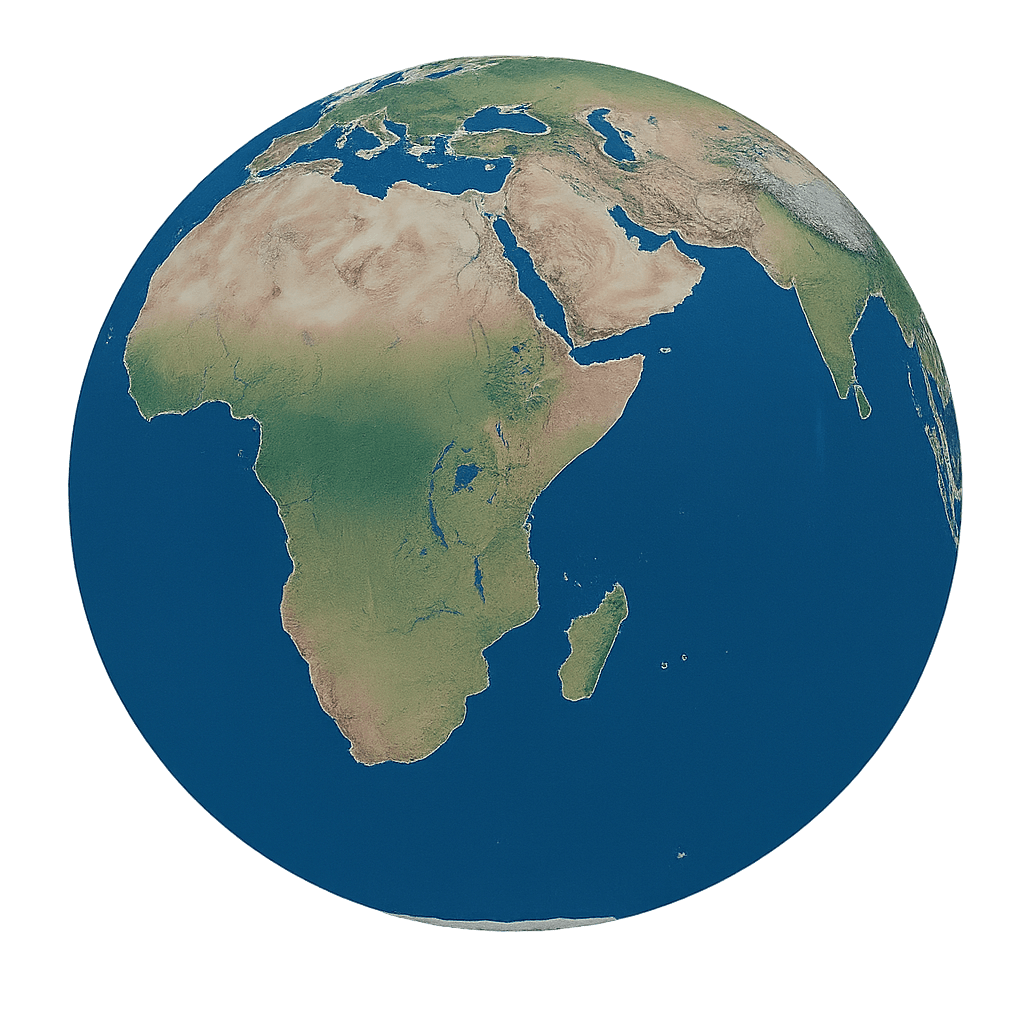
Red Sea Security & Yemen Conflict: Yemen’s Ambassador to Qatar says Houthis are advancing toward commanding positions along the Red Sea coast in Taiz and Mocha, warning the threat could spill beyond Yemen and disrupt navigation. Counteroffensive for Sana’a: The Yemeni government says a campaign to retake Sana’a has begun, aiming to restore state institutions after years of Houthi control, with reported advances across Al-Jawf, Al-Bayda, Taiz and Al-Hudaydah. Regional Escalation & Energy Risks: Houthi strikes on Saudi oil and civilian sites (including fires near Aramco facilities) have injured at least 73 people and raised fears for the Red Sea energy lifeline. Oil & Climate-Linked Impacts: Brent crude pushed above $100 a barrel as shipping and supply chains face renewed disruption, a pressure that can worsen pollution and air-quality risks around ports and refineries. Maritime Environment: A container ship reached the UK via the Arctic route, highlighting how Yemen-linked Red Sea instability is pushing trade toward longer, higher-emissions pathways. Human Rights & Media: Rights groups again urged an end to enforced disappearance and incommunicado detention of journalists in Yemen, calling for disclosure of missing reporter Waheed al-Sufi’s fate.
AGP Executive Report
Your go-to archive of top headlines, summarized for quick and easy reading.
Note: AI summary from news headlines; neutral sources weighted more to help reduce bias in the result. Feedback is welcome. Please let us know if you have any comments or suggestions about the AGP Executive Report.
Yemen & Red Sea fallout: Yemen’s Houthis are again blamed for expanding attacks beyond Yemen, with reports saying they helped plan and execute drone strikes on Saudi oil infrastructure from Iraqi territory—raising fears of wider regional spillover that threatens shipping and the environment around key sea lanes. Environmental risk from munitions: Yemen’s Mine Action Center says a U.S.-made satellite-guided JDAM was used in an Al-Jawf prison strike, warning such weapons can create long-term environmental and health risks. Energy shock with climate knock-ons: Escalating Iran–US and Houthi–Saudi fighting around the Strait of Hormuz and Red Sea is pushing oil above $100 a barrel and driving gas prices to multi-year highs, increasing pressure on fuel supplies and worsening pollution risks from disrupted energy systems. Regional security escalation: Pakistan warned Houthi attacks on Saudi Arabia could trigger the Makkah Defence Alliance, while the EU condemned the attacks as unacceptable and a dangerous escalation affecting Yemen and navigation.
Red Sea & Yemen conflict impacts: The EU called Houthi attacks on Saudi Arabia “unacceptable,” warning of “dangerous escalation” after strikes left 73 injured, including women and children, and hit civilian and economic infrastructure—Brussels also urged an immediate halt to attacks inside and outside Yemen. Regional diplomacy: Pakistan and Bahrain both condemned the attacks and backed Saudi Arabia’s right to self-defence, warning that continued escalation could undermine efforts for a peaceful settlement in Yemen. Energy & environment pressure: With hostilities across the Persian Gulf, Red Sea and Yemen-linked shipping disruptions, oil and fuel prices keep spiking—Saudi said operations at some southern energy facilities were temporarily suspended after attacks, adding to energy insecurity. Food security risk: A WFP-linked explainer warns that disruptions to key trade routes—Strait of Hormuz, Bab-el-Mandeb/Red Sea, and the Black Sea grain corridor—can trigger a “triple chokepoint” that pushes more people toward hunger. ICRC warning: The ICRC chief urged the region not to normalize war, stressing diplomacy and dialogue as conflicts deepen humanitarian harm.
Groundwater & Water Security: Kuwait Institute for Scientific Research (KISR) and the IAEA launched a regional meeting on protecting groundwater using nuclear techniques amid climate change and pollution, aiming to map vulnerability and set protection zones, with Yemen among participating countries. Yemen Conflict & Humanitarian Risk: UN Yemen envoy Hans Grundberg warned that escalating Houthi attacks across multiple frontlines could widen the war, derail UN-backed talks, and deepen Yemen’s humanitarian crisis. Saudi Energy & Environmental Fallout: Fresh Houthi attacks on Saudi Arabia’s southern cities sparked fires at oil facilities and utilities, with Saudi officials reporting 73 injured; the disruption also raises concerns for regional oil supply and environmental damage. Northern Yemen Strikes: Yemeni sources reported airstrikes targeting Houthi positions in Al-Jawf and Saada, but no confirmed details on damage or casualties were provided. Regional Rights Watch: The UN Human Rights Council’s 63rd session opened in Geneva, with updates from the UN High Commissioner and multiple country-focused discussions, including Yemen-related concerns.

Groundwater & water security: Kuwait’s KISR, with the IAEA, launched a regional push to protect groundwater using nuclear techniques, climate-change planning, and pollution mapping—bringing together experts from Yemen and other Arab states. Electricity access: Oman and Yemen signed a power-link agreement to send electricity from Oman’s Dhofar grid into Yemen’s Mahra, aiming to cut chronic blackouts. Food security & local farming: Yemen’s agriculture ministry and education sectors rolled out school-based afforestation and agricultural activities in Al-Bayda and Hajjah, while a Sana’a meeting approved buying locally grown wheat to strengthen stable marketing channels. Health & environment: A Yemeni study warns that rising consumption of processed, low-nutrition foods among children is harming long-term health and human capital. Conflict risk to civilians: UN envoy Hans Grundberg warned that Houthi attacks could widen Yemen’s war and deepen the humanitarian crisis, as airstrikes hit Al-Jawf and Saada and clashes in Taiz left heavy losses reported. Human rights spotlight: The UN Human Rights Council’s 63rd session opened in Geneva, with Yemen expected among the countries discussed.
Groundwater & climate resilience: Kuwait’s KISR, with the IAEA, convened a regional push to protect groundwater using nuclear techniques, aiming to map water vulnerability amid climate and pollution pressures—bringing together experts from Yemen and other Arab states. Power access for Yemen’s Mahra: Oman and Yemen signed an agreement to link their electricity networks, routing more reliable power from Oman’s Dhofar grid to Mahra to cut chronic blackouts. Yemen’s food security & safer diets: In Sana’a, officials discussed marketing local wheat to support farmers and strengthen food security, while a government-backed study warns Yemen’s growing consumption of processed, low-nutrient foods is harming children’s health and future human capital. Greening schools in Yemen: Al-Bayda and Hajjah education sectors launched school agricultural and afforestation activities—planting fruit and shade seedlings to build environmental awareness and expand green spaces. Marine pollution risk in the Gulf: A report links war-related attacks around the Strait of Hormuz and nearby waters to oil spills spreading toward coastlines and protected marine areas, adding pressure to an already fragile ecosystem. Red Sea conflict impacts: Fighting around Yemen’s Red Sea gateway (including clashes near Mokha and Hays) is escalating losses and disrupting regional shipping and trade routes.
Groundwater & climate protection: Kuwait’s KISR, with the IAEA, convened a regional meeting on using nuclear techniques to assess pollution and climate impacts on groundwater, aiming to map vulnerability and set protection zones, with Yemen among participating countries. Electricity access for Yemen: Oman and Yemen signed a power-link agreement to route electricity from Oman’s Dhofar grid into Yemen’s Mahra, targeting chronic shortages and blackouts. Yemen conflict impacts: Clashes in Taiz killed 140+ combatants as fighting flared around key fronts linking Taiz and Mokha. Red Sea shipping pressure: Escalating Houthi attacks in the Red Sea are disrupting regional trade and shipping routes, with knock-on effects for countries relying on the Bab al-Mandeb corridor. Food security & local farming: Yemen’s agriculture ministry discussed mechanisms to market locally grown wheat for martyrs’ families, supporting farmers and domestic grain cultivation. School greening projects: Al-Bayda and Hajjah launched school agricultural and afforestation activities, planting seedlings to build environmental awareness and expand green spaces. Public health & food policy: A Yemeni study warns that rising consumption of processed, low-nutrient foods among children is threatening health and future human capital. Regional environment risk from war: A report links war-related oil pollution around the Strait of Hormuz and Gulf to vessel damage, with spills spreading toward coastlines and vulnerable marine areas.
Floods & Shelter Crisis: Heavy rains and flash floods are worsening Yemen’s humanitarian crisis, with reports of homes destroyed for more than 8,000 families, over 70 deaths, and damage to roads, farmland, crops, livestock, water tanks and power networks—leaving people facing urgent needs for shelter, food and basic supplies. Food Security & Local Farming: In Sana’a, officials discussed a plan to buy locally produced wheat for the General Authority for the Care of Martyrs’ Families, aiming to stabilize marketing channels and expand grain cultivation. School Greening & Youth Farming: Al-Bayda and Hajjah launched school agricultural activities for the 1448 AH academic year, targeting tens of thousands of seedlings to build green spaces and environmental awareness among students. Processed Food Risks: A Yemen-focused study warns that rising consumption of ultra-processed, low-nutritional products—especially among children—could drive long-term health problems and threaten future human capital. Biodiversity Youth Link: RAIN 2026 brought together youth from eight countries including Yemen to learn about biodiversity conservation and rainforest protection, connecting young ambassadors with researchers and local communities. Civilian Impact of Strikes: State media reported civilian casualties after a Houthi ballistic missile hit a restaurant west of Taiz, amid intensified fighting around the Taiz–Mocha road corridor.
School Greening in Al-Bayda: Al-Bayda launched an agricultural activities project for general education schools, aiming to plant 21,000 seedlings across 21 districts to build an “agriculture-from-school” culture. School Greening in Hajjah: Hajjah also rolled out an agricultural activities project for basic and secondary schools, targeting thousands of fruit tree seedlings and expanding green spaces while boosting environmental awareness for students. Food Security via Local Wheat: In Sana’a, officials met to set up stable marketing channels for locally produced wheat to support the General Authority for the Care of Martyrs’ Families, encouraging farmers and expanding grain cultivation. Health Risk from Ultra-Processed Foods: A government-backed study warns that Yemen’s rising consumption of processed, low-nutritional products—especially among children—could drive obesity, diabetes, weakened immunity, and long-term developmental harm. Biodiversity Youth Exchange: RAIN 2026 brought together youth from Yemen and other countries for rainforest learning tied to biodiversity conservation and sustainable development. Floods Worsen Yemen’s Crisis: Heavy rains and flash floods destroyed homes of 8,000+ families, with deaths and injuries reported, while damaging roads, farmland, crops, livestock, and water systems. Taiz Missile Strike: State media reported civilian casualties after a Houthi ballistic missile hit a restaurant west of Taiz, amid renewed fighting. Water, Roads, and Infrastructure (Regional): Oman inaugurated major road projects in Dhofar, improving connectivity—an indirect reminder of how transport and water systems shape resilience.
Floods & Humanitarian Strain: Heavy rains and flash floods are worsening Yemen’s long-running humanitarian crisis, with reports of homes destroyed for thousands of families, dozens injured, and damage to roads, farmland, crops, livestock, and water and power systems. Civilian Harm in Taiz: The Houthis fired a ballistic missile at a restaurant near Mokha junction west of Taiz, killing and injuring civilians, as fighting intensifies around western Taiz and the Taiz–Mocha supply road. Aid & Relief Operations: Qatar Charity says its 2026 humanitarian response has reached nearly QR236mn and about 5.8mn people across Yemen and other crisis-hit countries, focusing on shelter, water and sanitation, health, nutrition, and education. Water & Food Security Focus: The Arab Economic and Social Council session in Cairo discussed regional food security and sustainable agricultural strategies, including support for Yemen’s export sector as part of reconstruction and recovery plans. Biodiversity & Youth Conservation: A Yemen-linked youth program, RAIN 2026, brought participants from multiple countries to learn about biodiversity conservation and sustainable development in a tropical rainforest setting.
Floods & Humanitarian Strain: Heavy rains and flash floods are deepening Yemen’s long-running humanitarian crisis, with reports of homes destroyed for thousands of families, deaths and injuries, and damage to roads, farmland, crops, livestock, water tanks and power networks. Urban Water & Shelter Needs: The Yemeni Red Crescent and partners say urgent needs include shelter, food and relief supplies as displaced families report illness and lack of basic items. Taiz Missile Strike: Civilian casualties were reported after Houthi ballistic missiles hit a restaurant near Mokha junction west of Taiz, amid intensified fighting and drone attacks around the Taiz–Mocha road. Humanitarian Outreach: Qatar Charity says its 2026 humanitarian push has reached nearly QR236mn and about 5.8mn people across crisis-hit countries including Yemen, focusing on shelter, water and sanitation, health, nutrition and education. Economic Stability Support: Saudi Arabia announced new support for Yemen’s Central Bank to strengthen monetary and financial stability, governance and transparency, and to help create conditions for private-sector growth. Mosquito Control & Disease Risk: A regional mosquito vector control symposium in Oman included Yemen representatives, sharing approaches to managing mosquito populations and reducing risks from dengue, Zika and chikungunya.
Red Sea & Yemen Security: Yemen’s government forces report Houthis launched 14 ballistic missiles plus drone attacks on Red Sea coast areas in Taiz and Hodeidah, with drones shot down in Taiz and no impact claimed on western-coast combat operations—while analysts warn the renewed push threatens Yemen’s ports and infrastructure. Regional Diplomacy: Saudi Arabia announced new support for Yemen’s Central Bank via the Saudi Development and Reconstruction Program for Yemen, aiming to strengthen monetary stability, governance, and private-sector growth. Food & Water Stress: Humanitarian coverage flags worsening hunger risk, with WFP warning of ration cuts in Yemen amid funding shortfalls—on top of broader regional food insecurity pressures. Mosquito & Disease Control: A Gulf-region mosquito vector-control symposium in Oman included Yemen, sharing approaches to manage mosquito populations and reduce dengue, Zika, and chikungunya risks. Environment-Linked Disruption: Shipping updates note Asian port congestion is pushing some container lines to test shorter Red Sea/Suez routes despite Yemen-linked risks, with climate disruptions also affecting capacity.
Saudi Support for Yemen’s Economy: Saudi Arabia’s SDRPY announced new backing for Yemen’s Central Bank to boost economic, financial and monetary stability, strengthen institutions, and improve governance and transparency. Red Sea Shipping & Climate Disruption: Asian port congestion and storms linked to El Niño are pushing some container lines to test shorter Red Sea/Suez routes despite risks off Yemen, reshaping trade flows. Houthi Attacks on Yemen’s Coast: Yemen’s forces said Houthis launched ballistic missiles and drone attacks targeting Red Sea areas in Taiz and Hodeidah, raising fears of renewed wider conflict. Mosquito Control Knowledge Exchange: MRCU shared mosquito-management experience at an Oman symposium, with WHO highlighting dengue, Zika and chikungunya risks across the region. Food Aid Pressure in Yemen: WFP warned of ration cuts due to funding shortfalls, with Yemen among countries facing worsening hunger. Urban Greening Debate: A French city tram project in Tours is removing 64 boulevard trees, sparking backlash against “green” claims.
Red Sea Security: Yemen’s government says Iran-backed Houthis launched 14 ballistic missiles plus drone attacks on Red Sea coast areas in Taiz and Hodeidah, with drones shot down and no reported impact on western-coast combat operations—while fears grow of a wider return to all-out fighting. Humanitarian Pressure: The World Food Programme warns Yemen is among countries facing ration cuts this year, as funding shortfalls threaten aid just as hunger needs rise. Public Health & Vectors: MRCU and partners shared mosquito-control experience at an international symposium in Oman, with Yemen among the regional participants—highlighting dengue, Zika and chikungunya prevention. Environment & Livestock: Yemen’s Waste Recycling Unit and partners honored tax officials for supporting a “Care for Your Livestock” initiative that recycles waste into alternative animal feed, aiming to cut costs and reduce waste. Policy & Yemen’s Role: A U.S. House hearing heard calls to back Yemen’s internationally recognized government and allies to counter Houthi threats to Red Sea shipping.
Humanitarian Crisis in Yemen: Médecins Sans Frontières (MSF) warns Yemen’s humanitarian situation is worsening as funding drops, with severe acute malnutrition admissions rising sharply at Al-Salam Hospital in Khamer and maternal malnutrition cases climbing in Hajjah. Food Security Data: The Rockefeller Foundation says FEWS NET will stop monitoring in Afghanistan, Somalia, and Yemen, risking “information blackout” for 38.1 million people facing hunger. Red Sea Shipping Pressure: A U.S. House hearing focused on Houthi threats to Red Sea shipping, with experts urging support for Yemen’s internationally recognized government and local forces to restore state authority and disrupt smuggling. Yemen’s Local Agriculture Push: Hodeida launched agricultural activities in public schools, while Mahweet saw free eye care and surgery camps. Environment & Health Link: A Yemen clinic study examines habitual khat chewing and oral reactive hyperplastic lesions, adding to local public health concerns. Waste-to-Feed Initiative: Yemen’s “Care for Your Livestock” project was recognized for recycling waste into alternative animal feed, aiming to cut costs and reduce waste.
Red Sea Security & Yemen: A U.S. House hearing warned that Houthi attacks in the Red Sea remain a growing threat, urging Washington to back Yemen’s internationally recognized government and regional allies so local forces can retake territory and curb smuggling that fuels the group. Lawmakers also pressed on how Iran’s support is joined by increasing scrutiny of Russia and China ties to the Houthis. Humanitarian & Food Security: Médecins Sans Frontières (MSF) said Yemen’s humanitarian crisis is worsening as funding drops, with sharp rises in severe acute malnutrition among children and maternal malnutrition cases, and more health facilities closing or shrinking. Environment, Food & Schools: In Hodeida, authorities launched an agricultural activities project in public schools aimed at boosting food security and environmental awareness, including plans to expand green spaces and connect students to land-based production. Circular Economy for Livestock: In Sana’a, Yemen’s tax and customs leadership was honored for supporting a “Care for Your Livestock” initiative that recycles waste into concentrated alternative animal feed—cutting costs while reducing waste. Water & Health Access (regional spillover): UNICEF and Gaza officials called for fuel, equipment, and repairs to rehabilitate water systems, warning that trucking water is lifesaving but not sustainable.
Humanitarian Alarm (Yemen): Médecins Sans Frontières (MSF) warns Yemen’s humanitarian crisis is worsening as funding falls and health services shrink, with severe acute malnutrition admissions rising sharply—1,296 children at Al-Salam Hospital in Khamer in the first half of 2026 (+62% vs 2025) and maternal malnutrition cases in Hajjah climbing from 689 to over 1,260. Water & Health (Regional, Gaza): UNICEF and Gaza officials say water systems are failing under blockade conditions, calling for fuel, engine oil, and repair equipment so drinking water can come from rehabilitated infrastructure rather than constant trucking; Gaza City needs about 100,000 cubic meters daily but gets roughly 30,000. Environment in Yemen (Hodeida): Hodeida launches an agricultural activities project in public schools, aiming to boost food security and environmental protection skills while expanding school green spaces. Environment in Yemen (Mahweet): Mahweet runs a free eye-care and surgery camp (cataract removal and lens implantation), coordinated with health and environment offices. Security & Shipping (Red Sea): A U.S. House hearing spotlights how Houthi threats endanger Red Sea shipping and stresses that any durable response must include real partnerships with southern Yemen forces to secure coastlines and disrupt smuggling networks. Maritime Pollution Risk (Oman): A grounded ship’s oil slick could spread across 25 miles of Oman’s coast, raising fresh coastal pollution concerns.
Humanitarian Health Crisis: Médecins Sans Frontières (MSF) warns Yemen’s worsening malnutrition emergency is accelerating as international funding drops and health services are scaled back, citing a 62% rise in severe acute malnutrition admissions among children at Al-Salam Hospital in Khamer (1,296 cases in the first half of 2026) and a jump in maternal malnutrition cases in Hajjah from 689 (2025) to over 1,260 in the first six months of 2026, with rural families facing growing barriers to care. Water & Environment Under Siege: Gaza’s water system is collapsing, with UNICEF urging the entry of large quantities of fuel, engine oil, and repair equipment to rehabilitate water infrastructure instead of relying on water trucking, while Gaza Municipality says daily water needs far exceed available supply and untreated wastewater is being discharged into the sea at dangerous levels. School-Based Green Action: Hodeida launched an agricultural activities project in public schools to strengthen ties to land, build environmental awareness, and support food security, targeting 269 schools across 24 districts. Medical Access: Mahweet opened a free eye care and surgery camp for cataract removal and lens implantation, aiming to reduce costs for patients who cannot afford treatment.
Water Security in Gaza: Gaza’s water crisis is described as catastrophic, with daily needs around 100,000 cubic meters but only about 30,000 available, after wells, networks, pumping stations and desalination plants were damaged and fuel and spare parts were blocked; sewage discharge into the sea is also worsening health risks. Humanitarian Water Repair: UNICEF is urging the entry of fuel, engine oil and essential equipment to rehabilitate Gaza’s water systems, warning that trucking water can save lives but won’t solve the problem long-term. Green Schools & Food Security (Hodeida): Hodeida launched an agricultural activities project for public schools, aiming to strengthen ties to land and farming, expand school green spaces, and build environmental awareness to support food security and fight desertification. Health & Environment Link (Mahweet): Mahweet opened a free eye-care and surgery camp, coordinated with health and environment offices, to reduce suffering for cataract patients and stress early examinations. Oil Pollution Risk (Oman): A widening oil slick from a grounded tanker is threatening up to 25 miles of Oman’s coastline near Ras Madrakah and parts of Masirah Island, raising alarms for beaches and marine habitats. Regional Maritime Pressure (Somalia piracy): Turkish and Somali forces freed a hijacked cargo ship off Somalia after a 10-day operation, killing alleged pirates and renewing concerns about renewed piracy affecting sea routes.
Red Sea Environment Risk: Oman says a grounded tanker’s oil slick near the Hallaniyat Islands could now reach up to 25 miles of coastline, with contamination spotted at Ras Madrakah and possible impact to Masirah Island—raising alarms for beaches and marine habitats. Yemen Floods & Climate Impacts: IFRC reports heavy rains and flash floods across Yemen in July–August killed 73 people, injured dozens, and affected over 53,000, damaging homes, infrastructure, and agricultural land. Maritime Security for Yemen’s Waters: Ethiopia proposes a National Maritime Information Centre after threats in the Red Sea and Gulf of Aden, with Yemen, Djibouti, and Somalia discussing piracy, illegal fishing, and shared enforcement needs. Health Under Blockade: Sana’a highlights how the Saudi blockade and airport closure are disrupting medicine supply for chronic patients, with shortages and spoiled shipments reported. Food Security & Agriculture Policy: The Arab Economic and Social Council session in Cairo reviews sustainable food security and agricultural development plans, including support for Yemen’s export recovery and reconstruction needs. Trade & Supply Chains: A widening Red Sea shipping disruption is pushing more routes around Africa, increasing fuel use and costs—an indirect pressure on regional food and environmental stress.
Sign up for:
Green Planet News Yemen
The daily local news briefing you can trust. Every day. Subscribe now.
Check Your Email!
We sent a one-time activation link to: .
Confirm it's you by clicking the email link.
If the email is not in your inbox, check spam or try again.
Welcome back!
is already signed up. Check your inbox for updates.